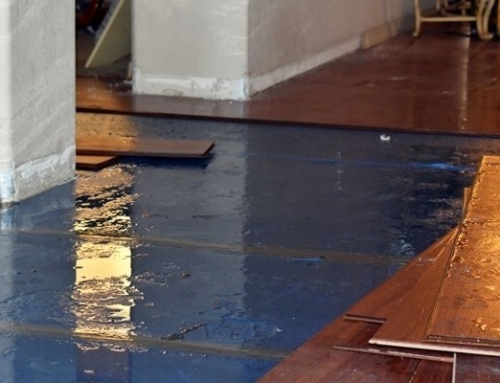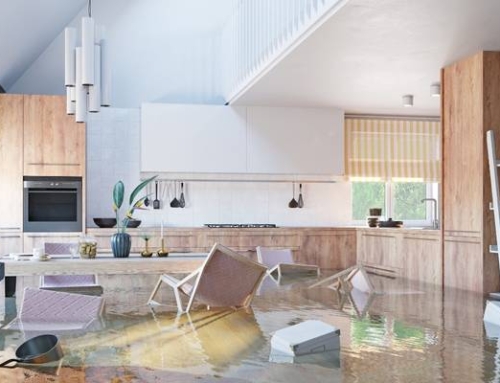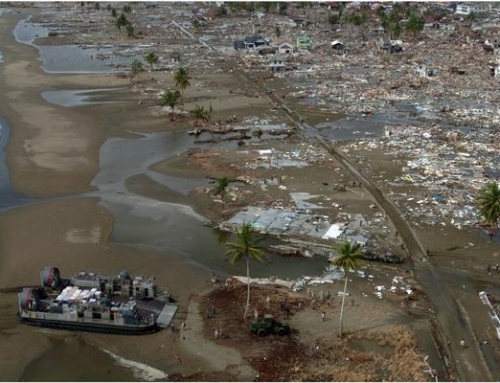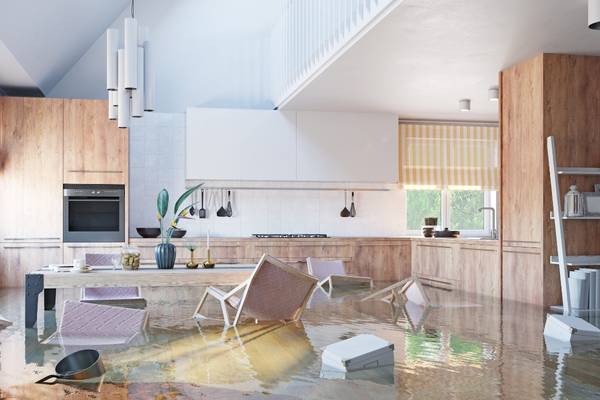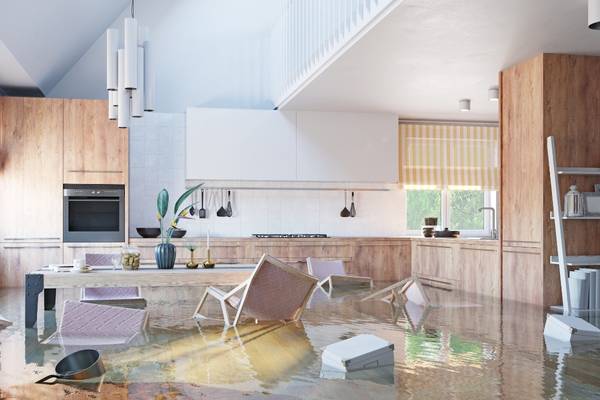
Flooding often leaves visible damage, such as soaked carpets and damaged drywall. However, the deeper problems are not always easy to see. Water can slowly weaken the parts of your home that hold everything together. At Premier Restoration Service, we often see how untreated water issues grow into serious structural concerns. When flood damage in Brunswick, GA, occurs, homeowners may clean the surface but miss hidden damage that continues to spread.
Understanding how floodwater affects structural materials helps you respond quickly. Early action protects your home, your safety, and your long-term investment.
Water Seeping into Structural Framing
Wood framing forms the skeleton of your home. Floodwater quickly soaks into these wooden components. When moisture stays trapped inside beams and studs, the wood begins to swell and soften.
Over time, the wood loses strength. Floors may feel uneven, and walls may begin to shift slightly. These changes often happen slowly, so homeowners may not notice them at first.
Professional flood damage restoration helps remove hidden moisture from framing before structural weakening becomes severe.
Foundation Damage That Develops Slowly | Flood Damage in Brunswick, GA
Floodwater can also affect your home’s foundation. Concrete may seem strong, but repeated exposure to water can cause cracks and allow moisture to penetrate deeper into the structure.
When soil beneath the foundation becomes saturated, it can shift or settle unevenly. This movement places pressure on the structure above.
Small cracks can turn into larger structural concerns if water intrusion continues. Our team carefully inspects these areas during flood damage restoration to prevent problems early.
Hidden Moisture Behind Walls and Floors
Water rarely stays in one place after flooding. It travels through insulation, behind drywall, and beneath flooring materials. These hidden spaces can trap moisture for long periods.
As the moisture lingers, building materials weaken. Drywall becomes brittle. Subfloor materials may begin to warp or separate.
When flood damage in Brunswick, GA, affects a home, we use moisture-detection tools to locate hidden areas that standard cleaning cannot reach.
Mold Growth That Damages Materials
Moisture left behind after flooding creates the perfect environment for mold growth. Mold does more than affect indoor air quality. It also damages structural materials.
Mold feeds on organic materials such as wood and drywall. Over time, it can break down these materials, reducing their strength.
Proper flood damage restoration removes moisture and contaminated materials before mold spreads deeper into the structure.
Also Read: How Winter Can Hide Unresolved Flood Damage Until Spring
Corrosion of Metal Supports and Fasteners | Flood Damage in Brunswick, GA
Many parts of a home rely on metal connectors, nails, and brackets for stability. Exposure to floodwater can lead to corrosion of these components.
Rust weakens metal over time. When critical fasteners begin to corrode, structural connections lose strength. This process often goes unnoticed until visible damage appears.
A detailed inspection after flood damage helps identify early corrosion and prevent larger structural issues.
Protect Your Home with Expert Restoration
Flooding can cause far more than surface damage. Moisture that hides in framing, foundations, and interior spaces slowly weakens the entire structure of a home. That’s why a fast and professional response matters. When flood damage in Brunswick, GA, affects your property, quick action can prevent serious long-term problems.
At Premier Restoration Service, our experienced team uses professional tools and proven methods to locate hidden moisture and restore structural safety.
If your property has experienced flooding, contact us today for trusted flood damage restoration that protects your home and your peace of mind.