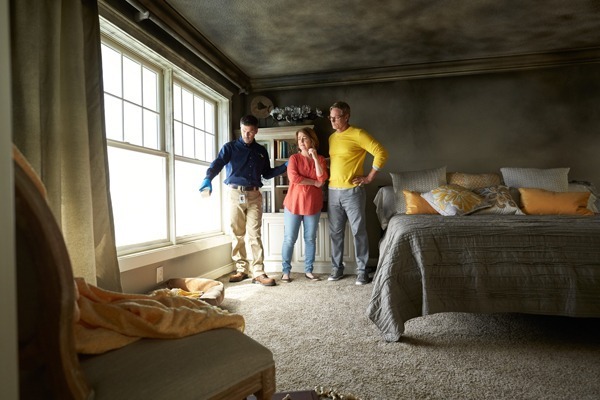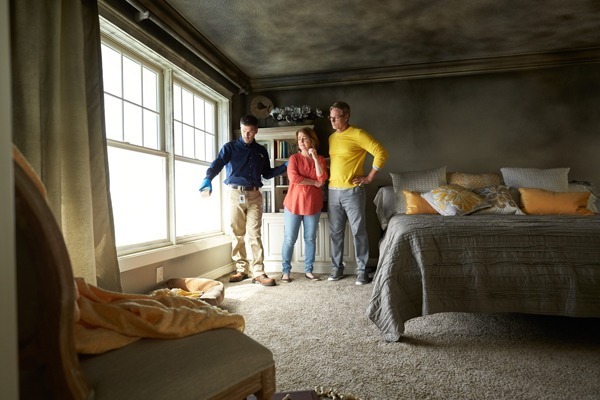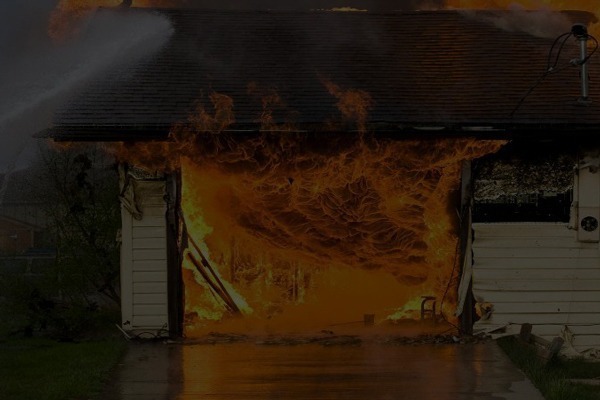
Metal can keep corroding after a fire because smoke residue, moisture, and combustion byproducts may remain active even after visible soot disappears. Door hardware, plumbing fixtures, appliances, electrical components, and electronics can look unharmed, then discolor, rust, or fail days later. Fire damage restoration in Brunswick, GA, helps you address secondary damage before a cosmetic concern becomes a functional loss.
To understand what happens next, it helps to examine how residue and moisture interact with metal, where wiping misses contamination, and how careful documentation protects your property afterward.
The Flames Stop Before the Chemical Damage Does
A fire creates more than ash. Plastics, treated wood, finishes, fabrics, and household chemicals can each produce different residues while burning. Corrosive particles may settle across metal surfaces or enter seams, hinges, appliance housings, and electrical enclosures.
Fire-suppression water, damp materials, and Brunswick’s coastal humidity can keep those residues reactive. When extinguishing water reaches cabinets, flooring, walls, equipment, or concealed structural spaces, water damage restoration may need to accompany fire cleanup so moisture doesn’t continue feeding deterioration out of sight.
Also Read: When a Small Leak Turns Into a Bigger Restoration Job
Each Metal Item Has Its Own Damage Clock | Fire Damage Restoration in Brunswick, GA
- Fixtures and hardware:
Handles, hinges, faucets, and decorative finishes may tarnish, pit, rust, or lose protective coatings.
- Appliances:
Residue can enter vents, controls, connectors, and internal metal parts even when the exterior appears clean.
- Electronics:
Fine particles and moisture can affect contacts or circuit boards, causing delayed or unpredictable failures.
- HVAC components:
Grilles, coils, controls, and ductwork may collect or carry residue beyond the room where the fire occurred.
Fire damage restoration in Brunswick, GA, evaluates exposure and condition before determining what can be safely cleaned, tested, restored, or replaced.
A Clean Surface Can Still Hide an Active Reaction
Wiping away a dark mark can make a surface look better without removing residue hidden in joints, crevices, switches, vents, or porous materials. Household products may smear oily soot, disturb fine particles, strip protective finishes, or make the remaining damage harder to evaluate.
Professional fire restoration begins by identifying the residue and affected materials. Technicians then select suitable removal methods, control remaining moisture, and assess corrosion alongside functional damage.
Our broader restoration services also help distinguish property that can be restored from items that have become unsafe or uneconomical to retain.
Document the Item Before You Clean, Test, or Discard It | Fire Damage Restoration in Brunswick, GA
Before moving anything, take a few practical steps:
- Photograph affected items from several angles.
- Record brands, model numbers, and serial numbers.
- Don’t power on exposed appliances or electronics.
- Keep damaged items unless safety instructions require removal.
- Save receipts for cleanup, testing, and temporary protection.
Turning equipment on could worsen damage or create a safety risk. Discarding property too soon may remove useful claim evidence.
Review insurance information and speak with your insurance representative, since policy terms and documentation requirements vary.
Stop the Damage From Continuing After the Smoke Clears
Premier Restoration Services brings more than 60 years of industry expertise and IICRC-trained technicians to residential and commercial fire damage restoration in Brunswick, GA, St. Simons Island, and surrounding communities. Fire, smoke, soot, odor, and water-damage capabilities support a restore-before-replace approach when appropriate.
Request an assessment or estimate at 912-638-1498; our 24/7 Emergency Service helps uncover continuing corrosion before minor residue causes permanent finish damage, equipment failure, or costlier replacement.