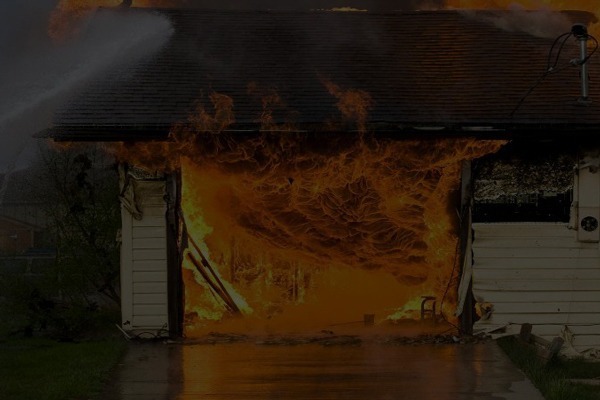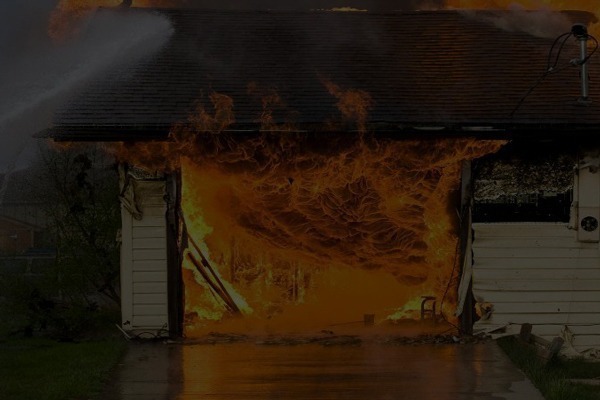
After fire suppression efforts have stamped out the last of the flames, many homeowners feel a brief sense of relief wash over them. But the worry doesn’t stop there because new problems pop up over the next couple of days.
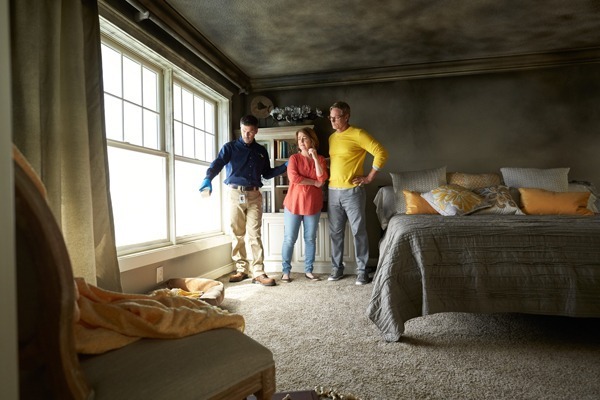
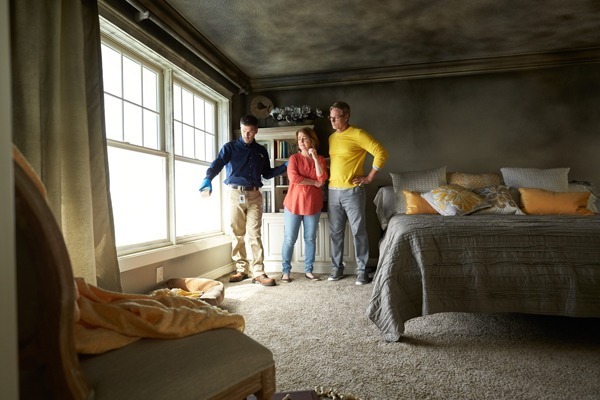
Smoky odors that don’t fade, strange sooty and moist stains appearing in odd places of the house, and gritty surfaces that won’t clear despite multiple wipes – these are just a few.
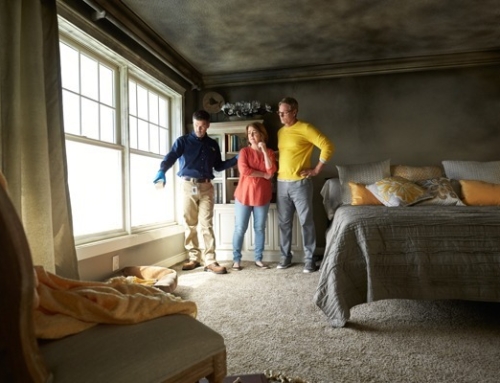
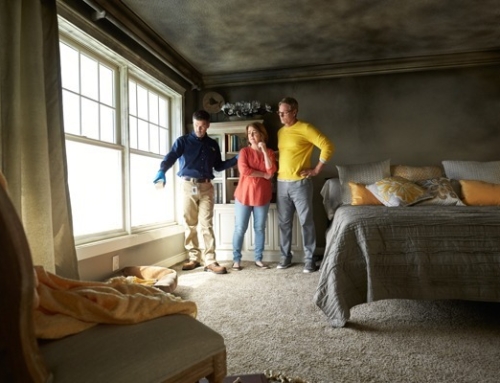
That’s the aftermath, where secondary fire damage becomes apparent. Although it is typical and expected, not getting the right team for cleanup can lead to a plethora of problems later.
Understanding What ‘Secondary Damage’ Means After A Fire | Fire Damage Restoration In Brunswick, GA
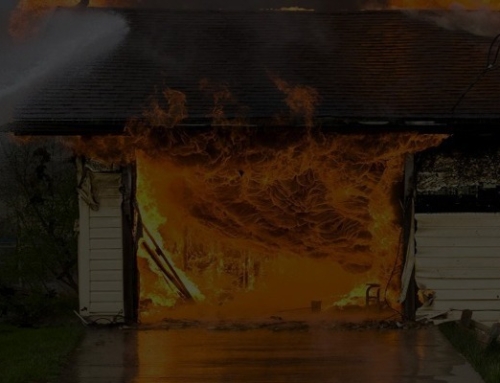
Fire is the primary source of the damage. Secondary damage is the harm that spreads to rooms untouched by the fire itself.
It can be from smoke & soot residue that gets vented throughout the house. Water used to extinguish the flames can seep into hardwood floors, upholstered furniture, drywall, and insulation, posing the risk of mold and rot damage. The hot air from the fire can affect surfaces, electrical and electronic components, and chemical materials, resulting in heat-weakened materials that will deteriorate over time.
Delays in restoration & cleanup efforts are secondary damage too. The longer the residues, heat damage, and water intrusion sit untreated, the more chances of rot, corrosion, and deterioration.
That’s why fire damage restoration in Brunswick, GA, is designed to deal with the whole home, not just the obviously burnt-to-a-crisp area.
Also Read: Overcoming Common Challenges in Fire Damage
Types Of Secondary Damage That Often Get Missed
Secondary damage tends to fall into a few patterns that are too easily overlooked in favor of the primary fire-damaged area. But if you know what to look for, you’re saving yourself a lot in late-damage costs.
Smoke & Soot Movement
Burnt smells and carbon residues can spread beyond the burnt room to other areas through airflow, drywall, and cracks in shared partition walls.
Soot residue tends to settle (and stick) across surfaces, fabrics, wood, and walls.
Residue Corrosion | Fire Damage Restoration In Brunswick, GA
Fire residue is acidic in nature. It reacts with metallic surfaces, components in consumer electronics, HVAC parts, and electrical appliances.
Moisture Issues
Water from fire hoses can soak into porous materials, leading to swelling, stains, and warping. Extended exposure results in mold and rot.
Indoor air irritants
Finer residues can stay hidden, continue to be recirculated every time the home is disturbed.
Teams that handle fire damage restoration in Brunswick, GA, focus on early control efforts to reduce the spread of what can become secondary damage.
What You Can Do Right Away (And Not) For Recovery Efforts
Once the house has been declared safe to enter, keep foot traffic light and limit access to unburnt areas. Photograph every damaged or burnt area, including close-ups of soot, stains, and wet spots – all of which are handy for claims filing.
Keep items and valuables in one place for better inventory and evaluation. Avoid turning on the HVAC for indoor ventilation, or using household cleaners to wipe off soot – that will just recirculate residue further into the house.
Lastly, always have an evaluator on-site to assess items before tossing out anything.
Take The Next Step To Restoration With Local Pros
No one should have to figure out post-fire secondary damage on their own. That’s why Premier Restoration St. Simmon is a prompt turnout company that knows you deserve support, and fast. Our IICRC-certified team comes backed by years of experience and a calm, neighborly approach.
If you need dependable fire damage restoration in Brunswick, GA, call 912-638-1498 for prompt help, clear documentation, and support with insurance questions so you can move forward with confidence.