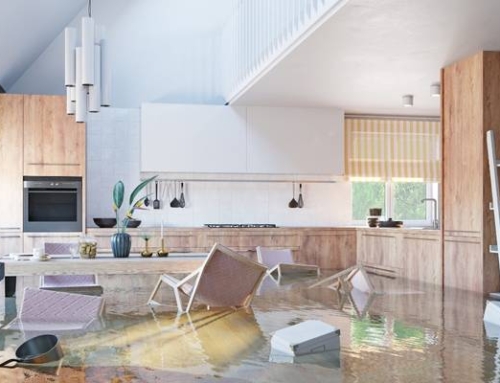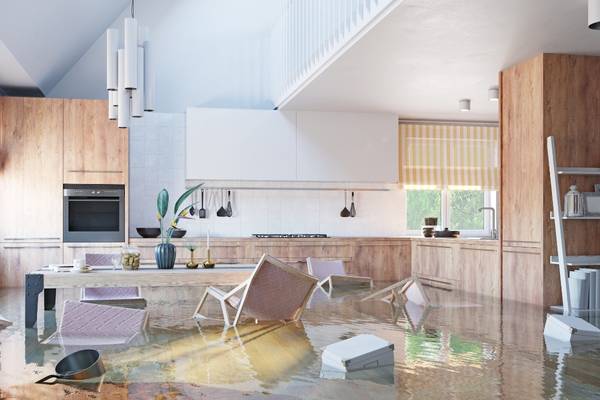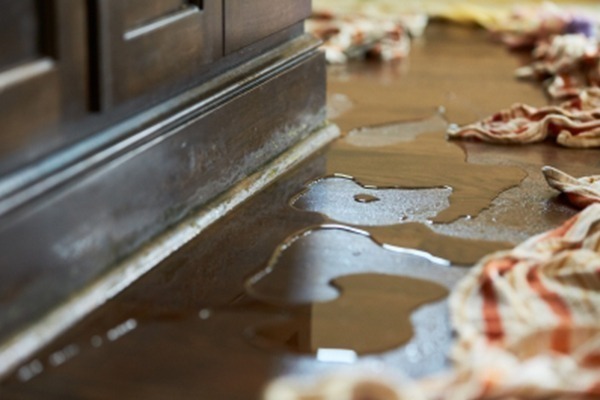
After flood waters recede and give way to more transparent waters, it’s natural to assume it might be harmless. That’s a mistake, because clear doesn’t mean it’s not contaminated. Worse still, these contaminants have already soaked up the walls, floors, and your belongings without obvious clues.
Before you decide to mop up the space, rip out rotting material, and begin dehumidification, it helps to understand what kind of flood waters you’re up against. Many times, DIY flood cleanup has led to far worse damage, health risks, and even claims denial.
Know What Kind Of Flood Water You Are Dealing With | Flood Damage In Brunswick, GA
We assume flood waters to be muddy and murky, but that’s not it. Knowing the difference matters more than looks.
Clean water usually comes from broken supply lines. It’s worrisome after a flood because it gets contaminated pretty quickly once beyond the source.
Gray water comes from drains and surface runoff (and appliances, too). It doesn’t look too dangerous, but it’s loaded with bacteria and contaminants that pose serious health risks if not contained without precautions.
Black water ranks highest for contamination and is the most common in floods. It often contains sewage, reactants, chemicals, and live microorganisms. It’s also the primary source of contamination for the other water bodies mentioned previously.
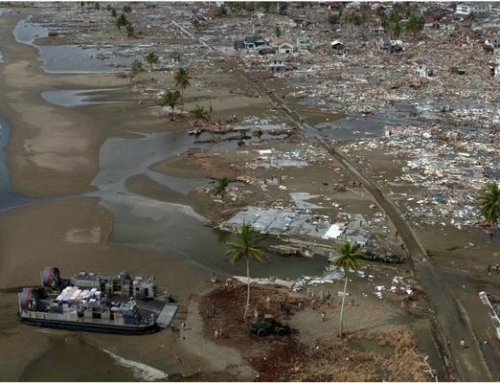
Since floodwaters can cover vast areas as they pass by streets, parks, yards, and buildings, they pick up a range of contaminants that can go beyond just water color. That’s why flood damage in Brunswick, GA, should always be evaluated by the exposure, and not by the color of the water.
Also Read: The Health Risks of Ignoring Water Damage in Your Property
What Does Clear Water Leave Behind That Is So Dangerous
It still contains bacteria, sewage particles, and possibly chemicals picked up in its path – it poses a risk to your health. The exposure isn’t even that obvious until you have a raging fever to deal with, along with cleanup.
Also, flood waters don’t just flow away, they seep into everything, creating a dampness that mold and rot love. That’s also why prompt flood cleanup and drying are time-sensitive if you want to save your home.
Why DIY Flood Cleanup Misses Crucial Things | Flood Damage In Brunswick, GA
You can’t dry off deep, damp with a few discount fans and a shop-vac. And you can’t kill mold spores any deeper than what bleach allows you to go for. Once the water’s in the walls, subfloors, and woods, you need professional help.
DIY cleanups also cross-contaminate. People move soggy valuables from one room to another, depositing more residues that seep into surfaces. The ‘look-dry’ damage snowballs fast, because the rot is taking place out of sight.
With flood damage in Brunswick, GA, you need a pro crew with proper equipment for water & mold removal and drying, then documentation for claims purposes – if you want to get through recovery without caveats.
Insurance Problems Begin At ‘I Already Cleaned It Up’
DIY flood cleanups also complicate insurance claims. People toss out damaged items & materials, scrub surfaces, or dive into repairs too fast – that removes evidence of authentic damage only visible to a trained eye.
Insurance documentation requires a competent crew for many reasons, for your benefit. They know how to capture the damage just right, take readings, measures, and categorize contamination levels before anything is disturbed. That saves you a lot of back and forth with stubborn adjusters and speeds up approvals.
You Need Real Answers & Real Help, Not Guesses
If flood waters have visited your home, don’t give yourself the ‘looks fine’ shrug with a crossed-fingers DIY cleanup. Get a certified local crew in there to document the damage and get to drying & decontamination fast.
Premier Restoration St. Simmons, professional crew for flood damage in Brunswick, GA, can handle the next steps with a verified plan that beats the visual test every time.
When you’re ready, call us at 912-638-1498 for seamless cleanup and insurance coordination.